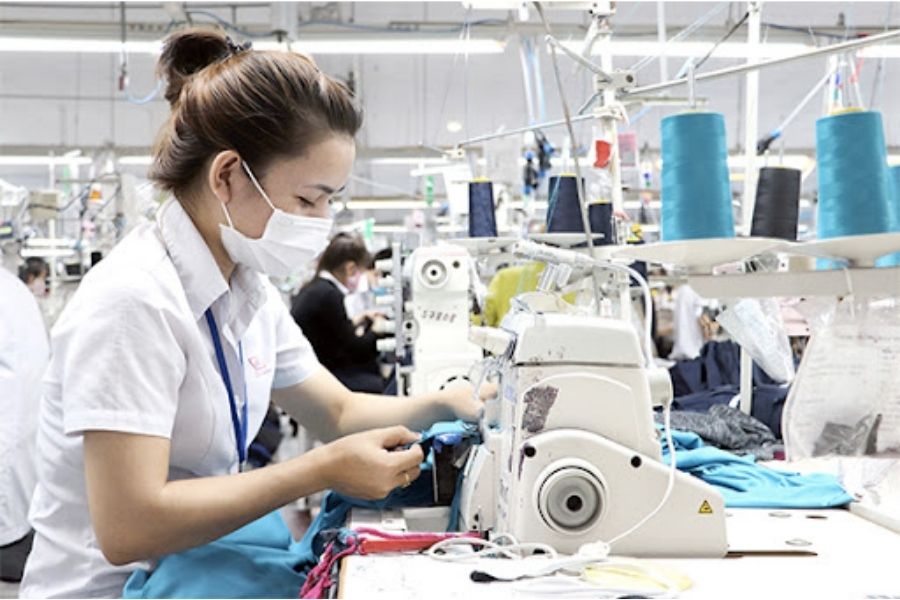
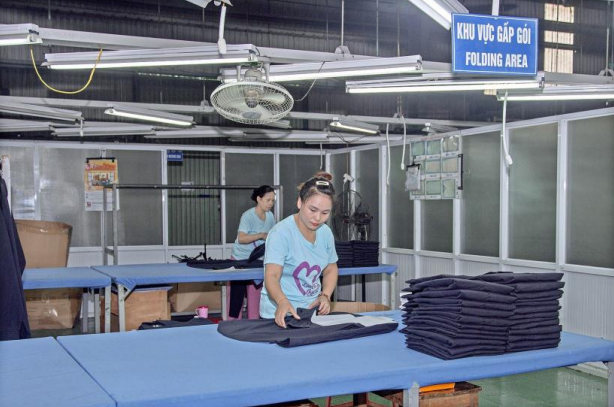
Despite its long history, the garment industry has never lost its inherent influence on the market. In Vietnam, as well as globally, the garment industry consistently makes a significant contribution to economic development. Furthermore, the garment industry is currently being developed as a key economic sector to meet export demands, satisfy domestic consumption, and create jobs for a large number of workers.
To put it simply, the garment industry operates on the specific principle of producing clothing to satisfy people’s fashion needs. With developments in production lines, technology, and workforce skills, the garment industry in Vietnam and around the world is becoming increasingly modern, high-quality, and aesthetically pleasing.
The essential role of the garment industry
+ For the economy
Not only does the garment industry have a strong foothold in the Vietnamese market, but it also plays a particularly significant role in many countries around the world. The garment industry is closely linked to the initial development and has contributed to accelerating the industrialization process. It’s immediately apparent that the garment industry creates numerous jobs, helps reduce unemployment, and provides a better quality of life for the people. Furthermore, with its substantial profits, many countries view the garment industry as a foundation for developing other industries, thereby stabilizing the economy, politics, and society, and improving the living standards of their citizens.
For countries with developed garment industries such as Vietnam, China, Japan, and South Asia, exporting products provides a stable source of foreign exchange. This allows them to purchase additional equipment, modernize the garment industry, and achieve even greater economic benefits.
The development of the garment industry also directly impacts other sectors such as transportation, packaging production, distribution, and services. This intertwined relationship contributes to creating superior economic value and promotes mutual development.
+ For consumers
To be precise, clothing is a daily necessity for everyone. People of all social classes need clothes and shoes for studying, working, and protecting their bodies. With its remarkable development today, clothing also contributes to expressing style and fashion needs for consumers.
Nowadays, products from the garment industry come in a wide variety of styles and colors. This meets the increasingly demanding needs of consumers; fashion is not just about clothing to cover the body, but also about expressing national identity and international harmony.

+ For businesses
Along with economic development, businesses are the organizations that benefit most from the growth of the garment industry. The profits generated from the garment industry are enormous, contributing to a solid foundation for businesses to achieve long-term growth, structural transformation, and enhanced competitiveness with other businesses in Vietnam and around the world.
→ See also: Industry 4.0 in the Textile and Garment Industry and New Pathways for Businesses
+ For workers
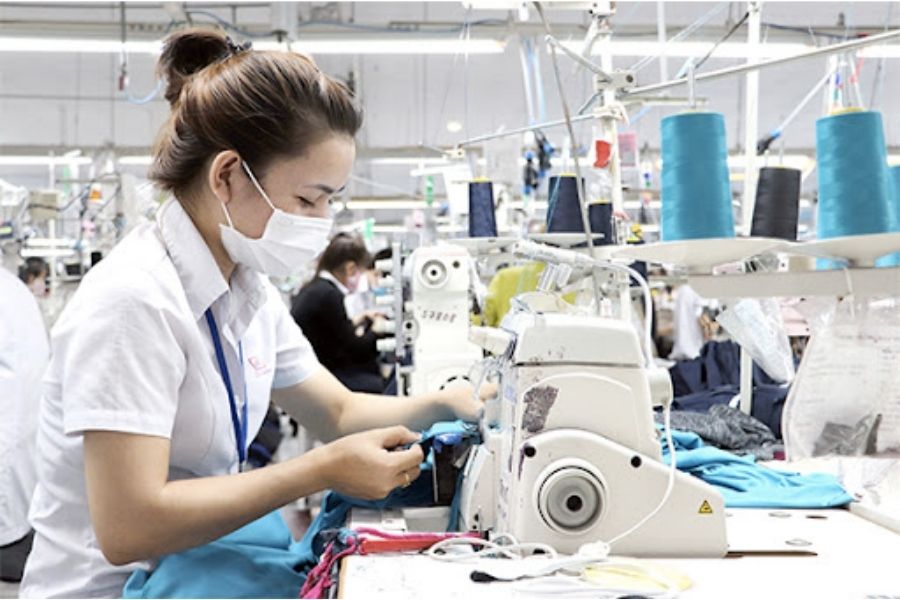
Besides contributing to reducing unemployment, the garment industry also serves as a foundation for human resource development, attracting highly skilled workers, and training individuals with leadership potential. A garment factory needs many positions, such as designers, technicians, and pattern developers. These positions aim to recruit creative minds and innovate the workforce.
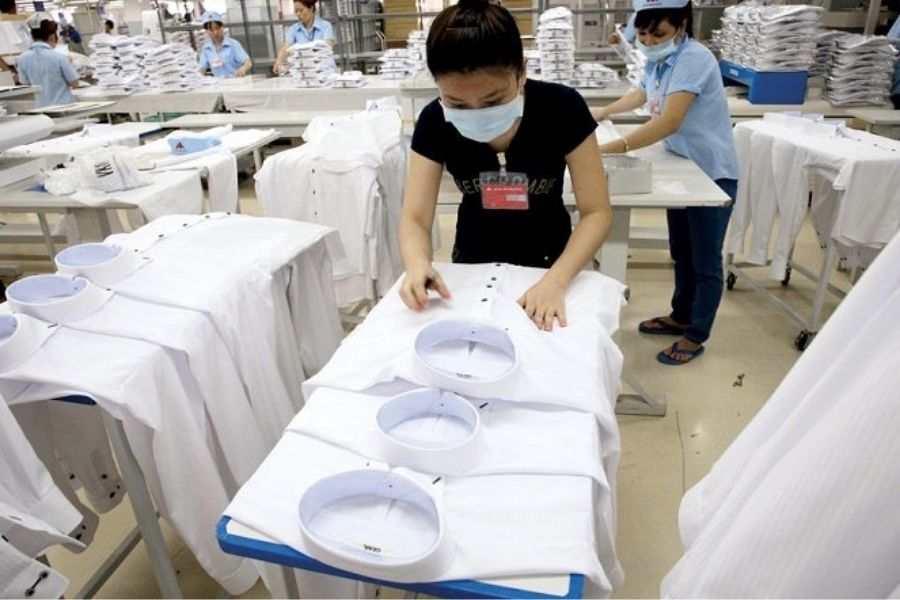
In a managerial, executive, and supervisory role, this is an opportunity for personal development as well as training a new generation of workers to meet production needs.
For those in positions that directly produce goods, such as tailors, this is not just about earning income, but also an opportunity to hone their skills and pursue future career development.
Thus, it is easy to see that the garment industry has played and continues to play an extremely important role in the global economy. Hopefully, in the future, the Vietnamese garment industry will receive more new equipment and technologies to improve its performance, keep pace with development, and bring even more value.
Cosma’s automated cutting room solution improves production processes, ensuring smoother and faster operation, eliminating downtime, controlling product quality, and saving significant production costs. Cosma’s solution includes: automatic fabric cutting machines, automatic fabric lifting machines, automatic fabric spreading machines, automatic labeling machines, and various fabric spreading tables used in garment factories: conveyor fabric spreading tables, industrial fabric spreading tables, and pneumatic fabric spreading tables. Along with Cosma’s garment industry software, including CAD software, digital cutting room software, and cutting planning software, data is interconnected and linked between departments. This allows for easy monitoring and supervision from anywhere: machine and worker performance, productivity, maintenance information, troubleshooting, and overall factory efficiency.
Improve your factory’s productivity today! We’re ready to help! Don’t hesitate to contact us. With over 20 years of experience in the textile industry, we will always work alongside your business to develop the best and most suitable solutions, delivering the greatest benefits and efficiency.